
Heritage & Wine
Where land, lineage and vine converge
Wine, within the Basque cultural landscape — extending beyond present-day borders — is inseparable from its history.
This collection of private wine journeys explores viticulture as cultural continuity — from the Atlantic slopes of Txakoli to the singular wine estates of Navarra. Kingdom, pilgrimage, maritime trade and rural resilience form the backdrop against which the vine found its voice across the Basque Country, Navarra and Rioja’s wine regions.
Rather than isolated tastings, these experiences unfold as cultural arcs: territory interpreted, heritage contextualised, wine understood as the quiet synthesis of land, time and people.
Wine is the memory of land, carried forward through time.
Each journey offers a distinct way of understanding this territory — through time, landscape, people and culture.
Within Gourmet Lounge, Heritage & Wine interprets the territory through relationships — where wine becomes a bridge between history, landscape and cultural continuity across regions.
These relationships are rooted in the material foundations of the territory explored in Edible Heritage, and take form within structured wine landscapes such as those presented in Rioja Wines.
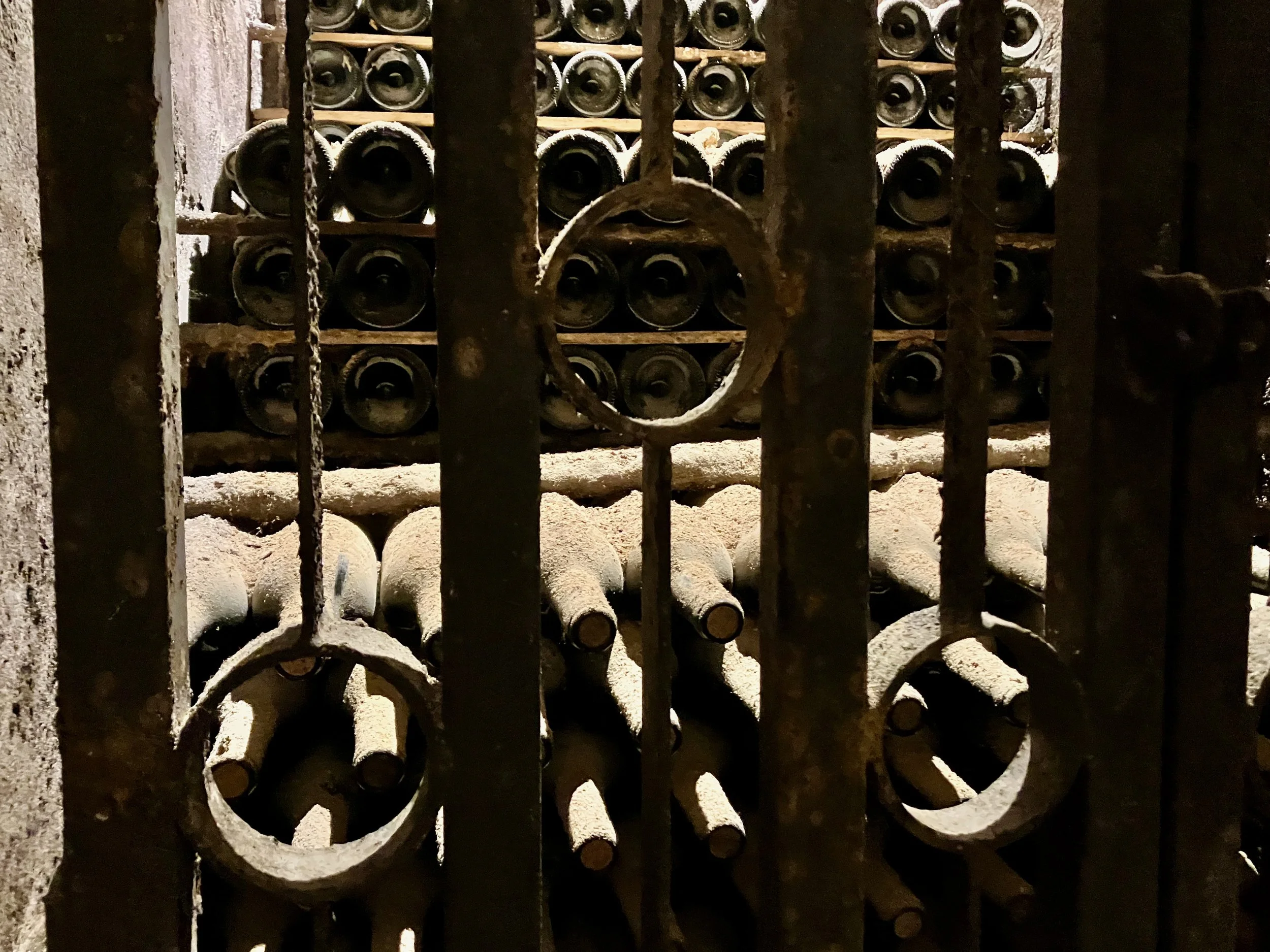
Between Two Wines
A journey across two neighbouring territories, where wine reveals two distinct ways of understanding land and time.
From the contemporary openness of Navarra to the historical depth of Rioja, this experience unfolds as a transition — not just between places, but between perspectives.
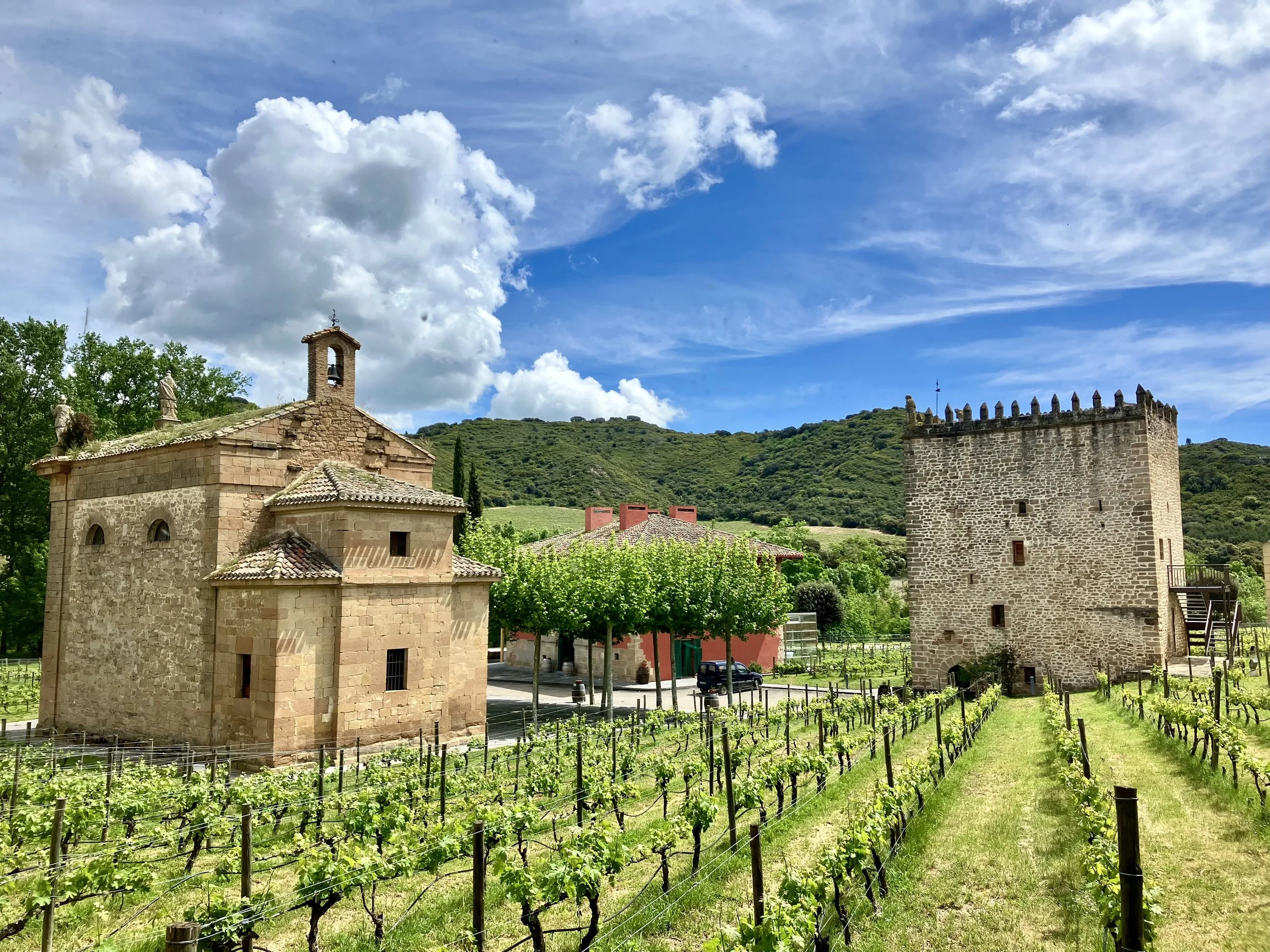
From Encierros to Vineyards
Discover Pamplona’s history and San Fermín tradition, then journey towards Arínzano — where the landscape begins to shift and wine becomes part of a broader cultural narrative.
What starts as a story of ritual and identity opens into a different reading of the territory, where vineyards are not just cultivated land, but part of a living continuity.

Hondarribia & The Origins of Txakoli
A coastal journey through Hondarribia, where landscape, history and maritime life converge to shape one of the most distinctive wines of the Atlantic.
Here, Txakoli is not simply produced — it emerges from a way of life defined by the sea, the climate and a long-standing relationship with the land itself.