Of Kings, Pigs, and Mountain Passes
Land, livestock and the enduring logic of Basque rural life
This journey explores the deep relationship between land, animals and human life in the Basque Country—where territory is not observed, but worked, inhabited and sustained over generations.
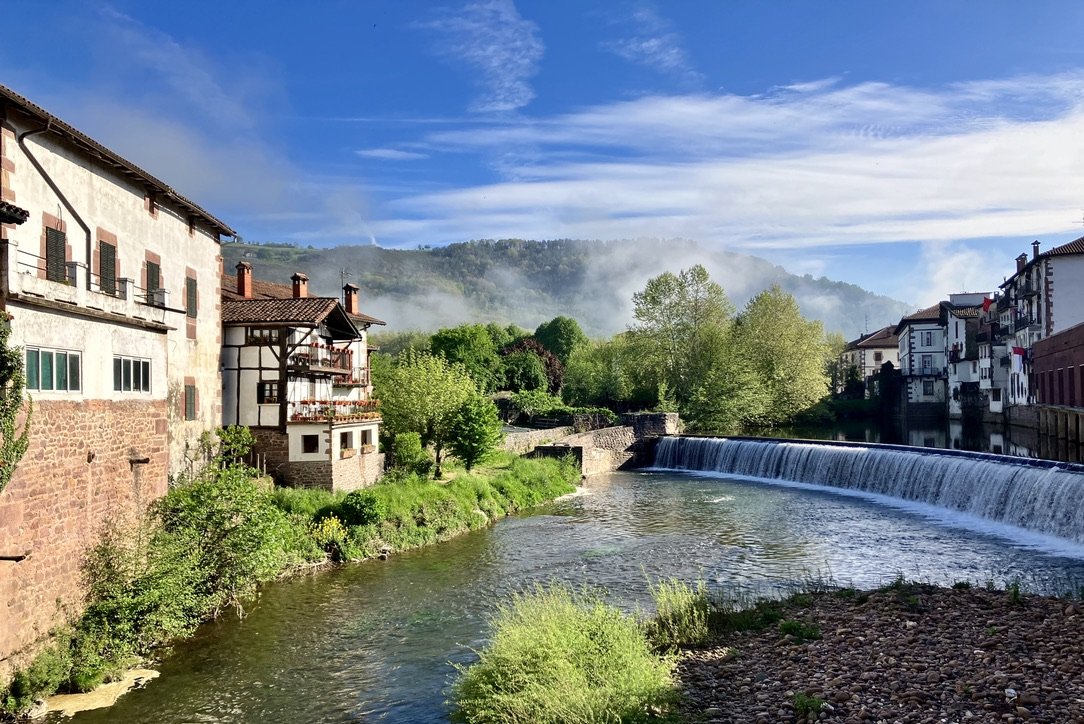
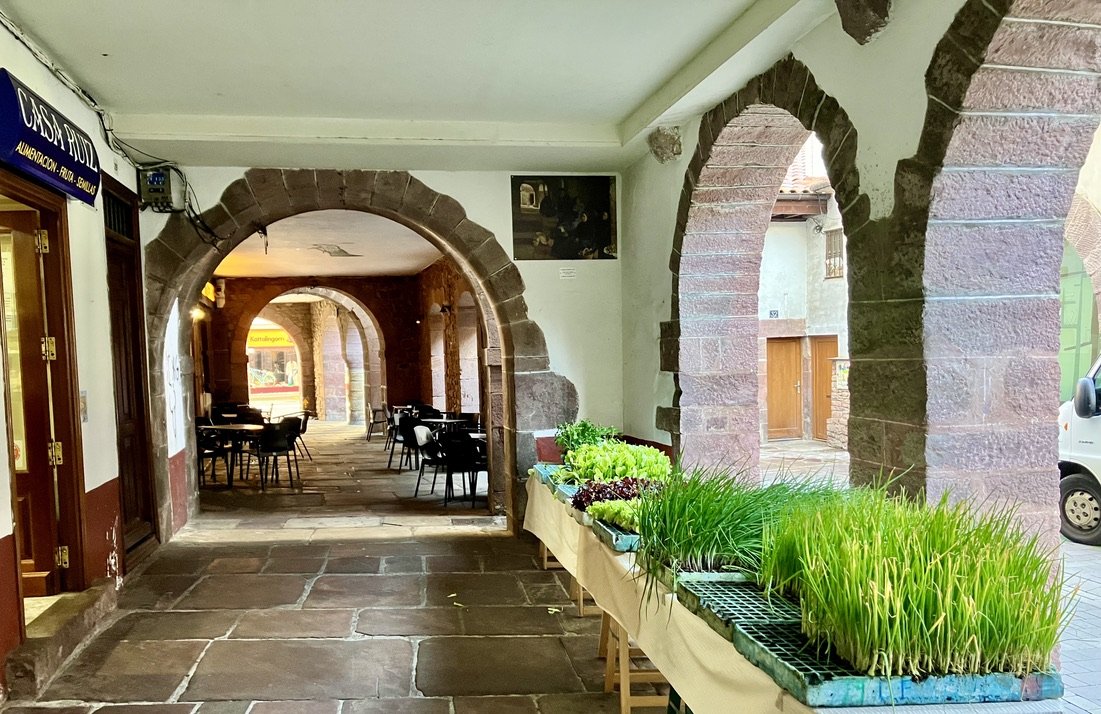
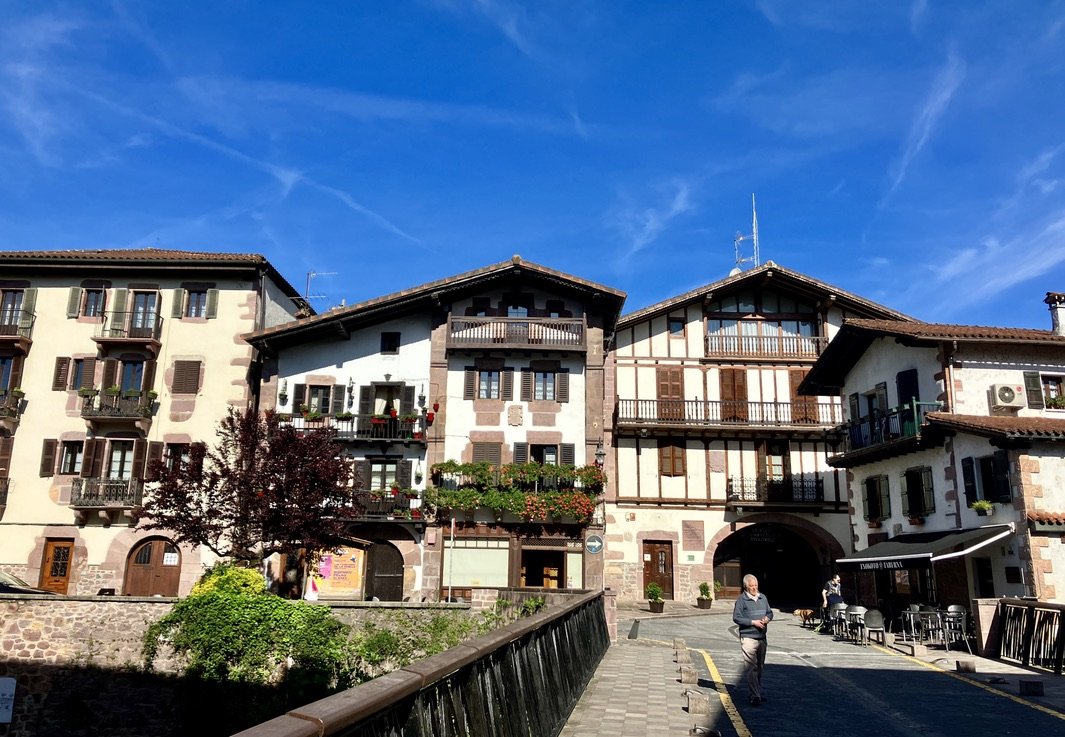
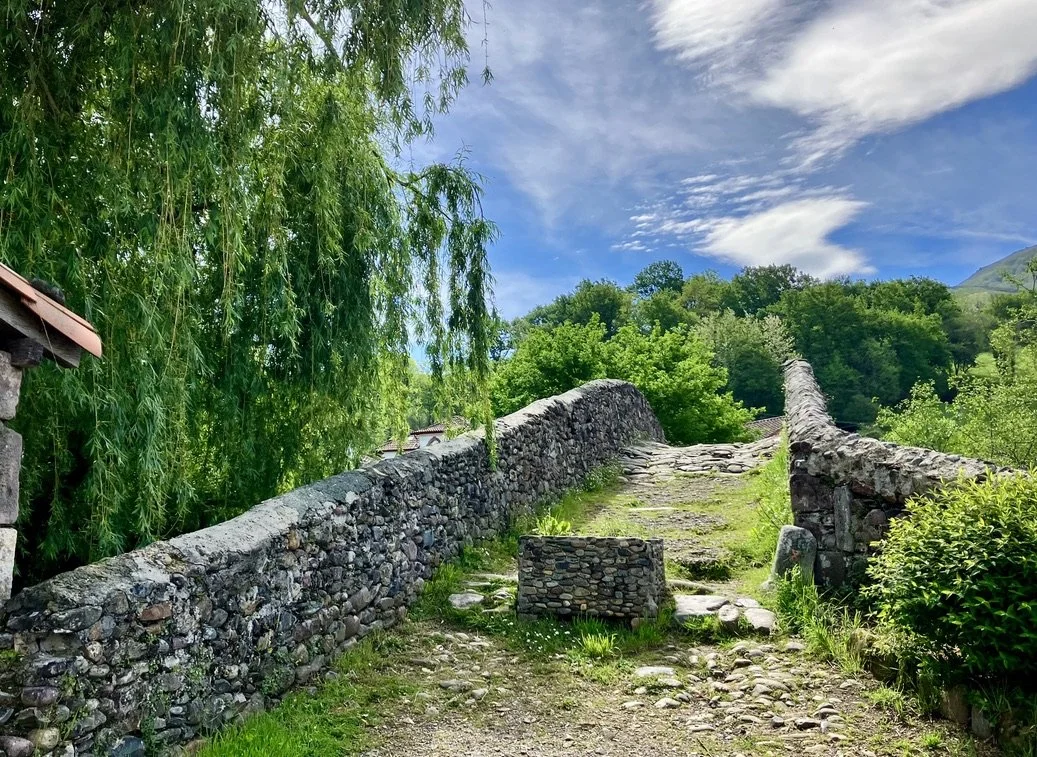
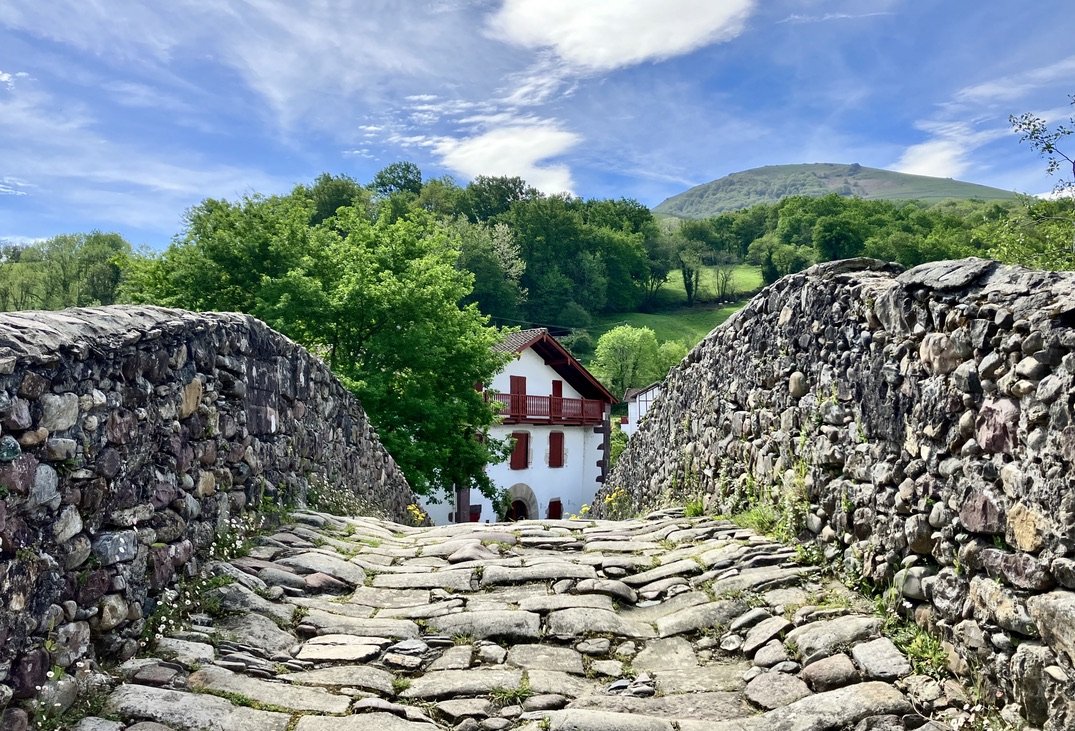
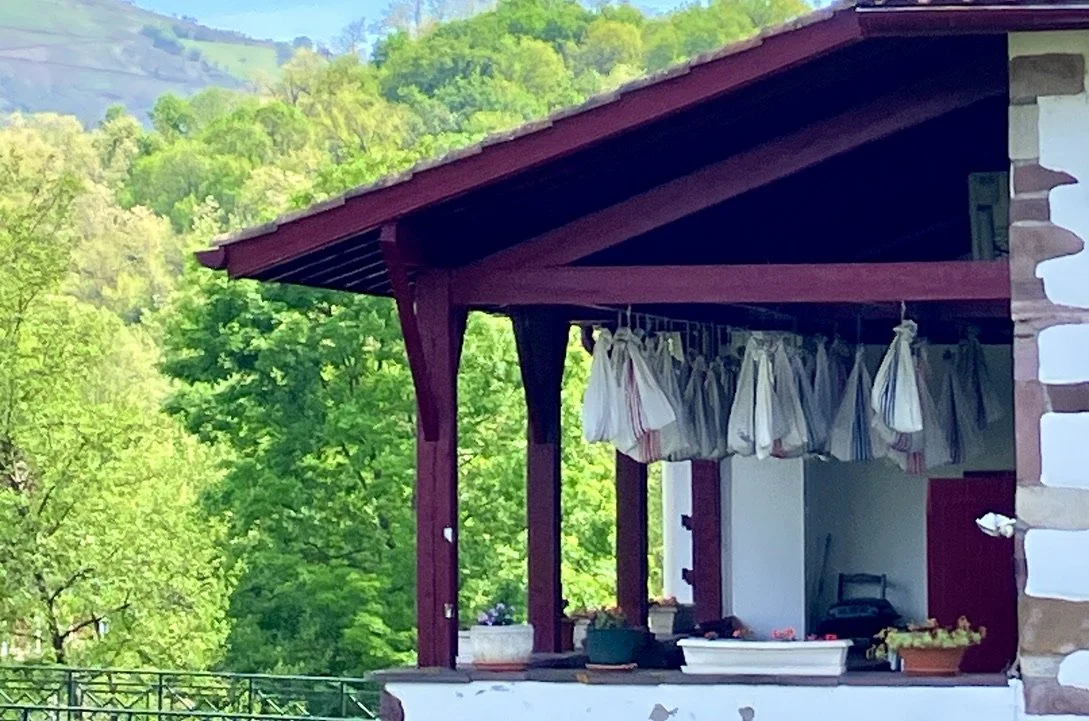
Elizondo welcomes us as it has always done: dignified, generous, unhurried. Long before novels and screens brought it sudden fame, it was already the noble heart of the Baztan Valley — a place of stately houses, old bridges, and one of the most cherished hot chocolates in Spain. We may begin with a cup, or not, but either way the tone is set.
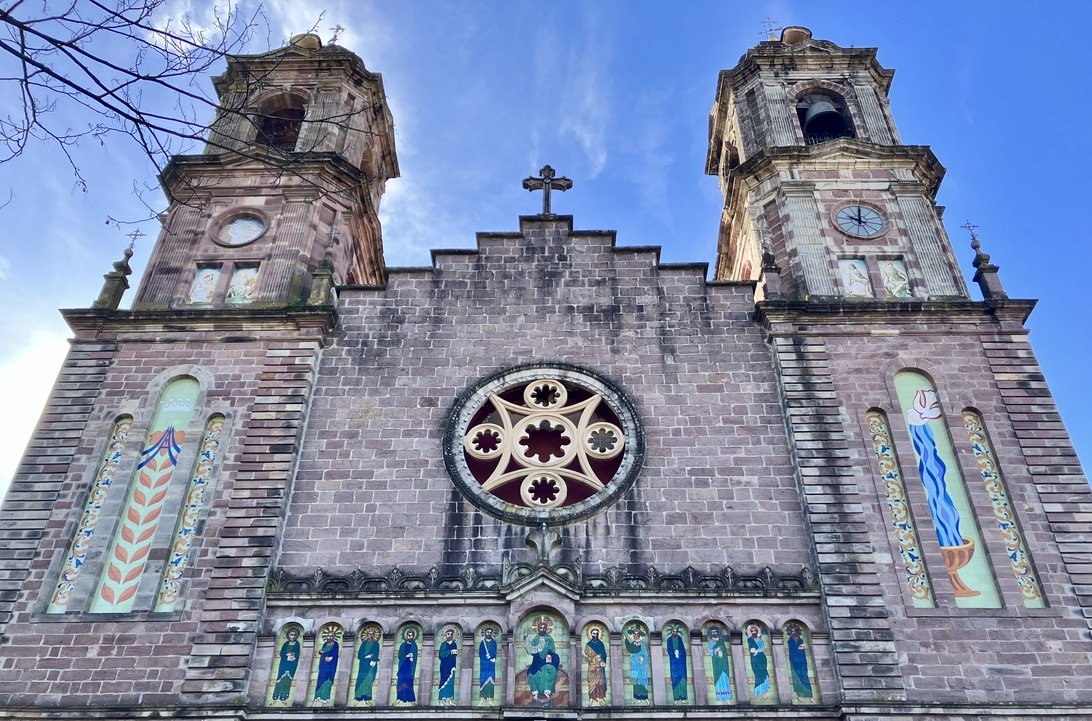
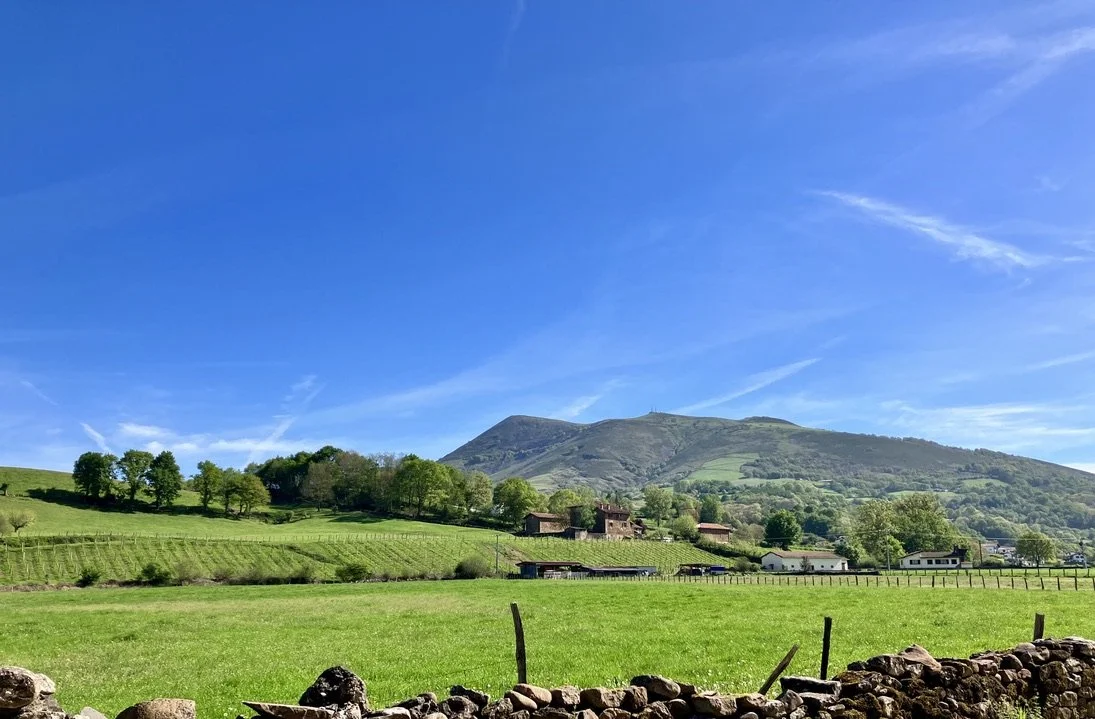
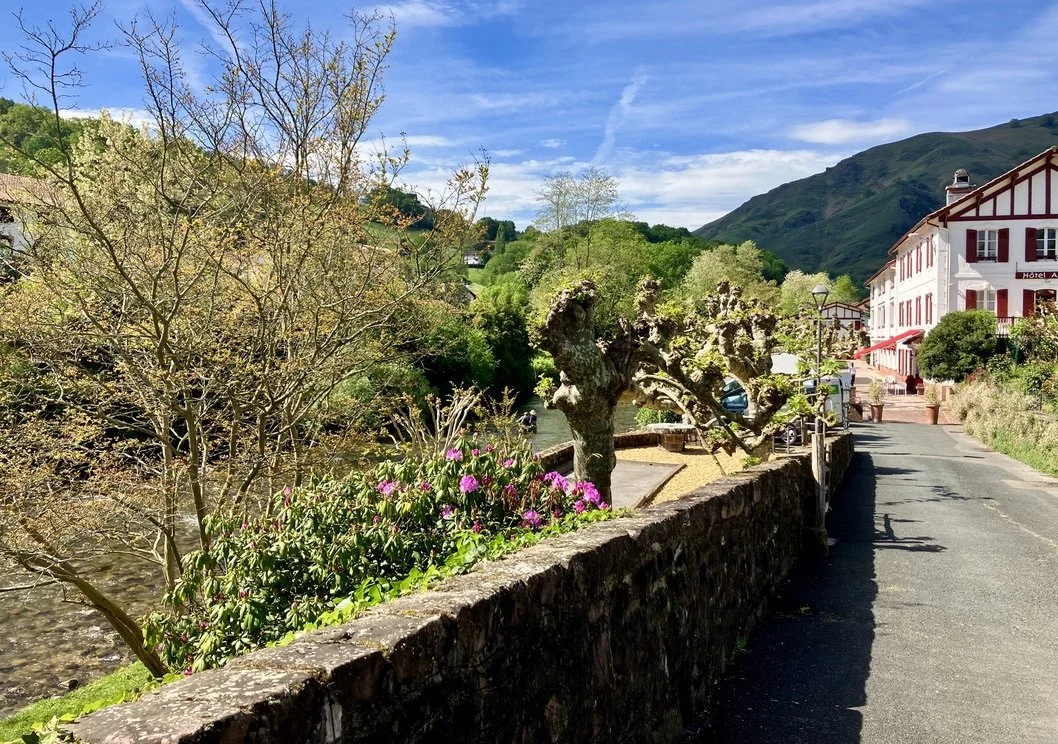
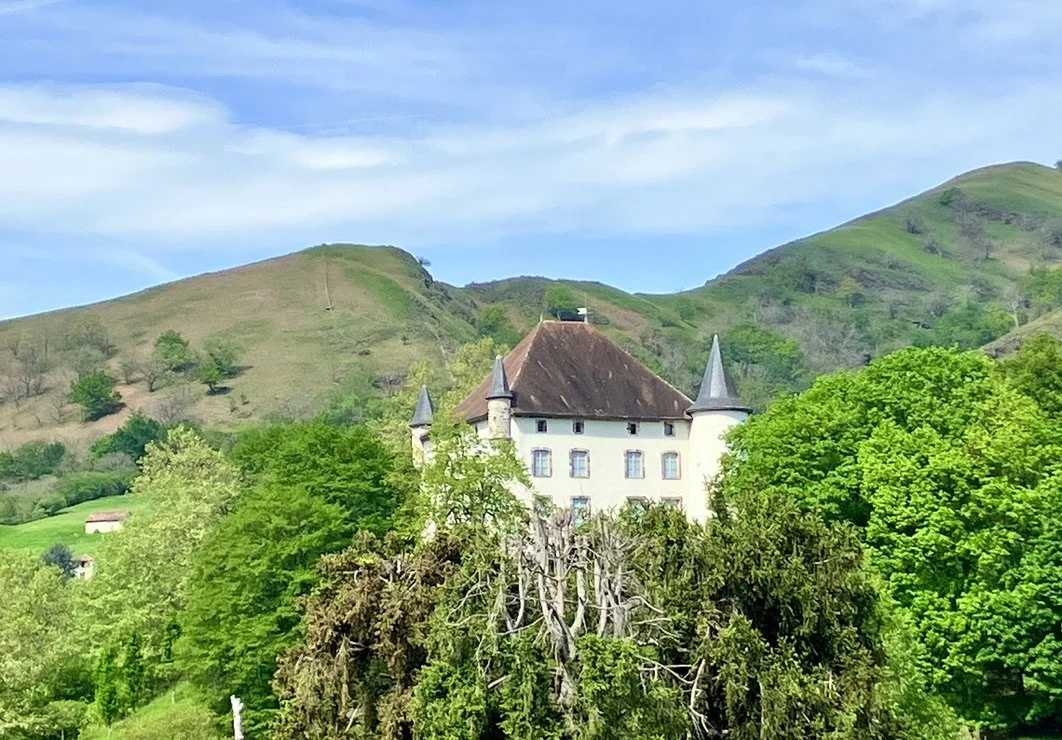
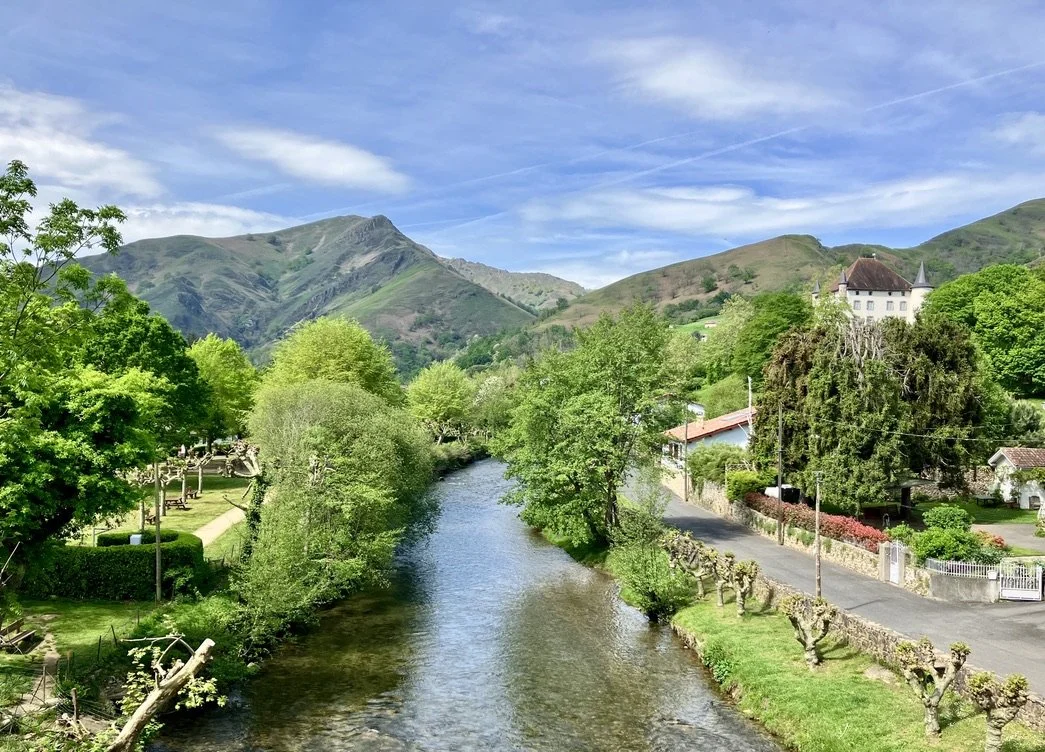
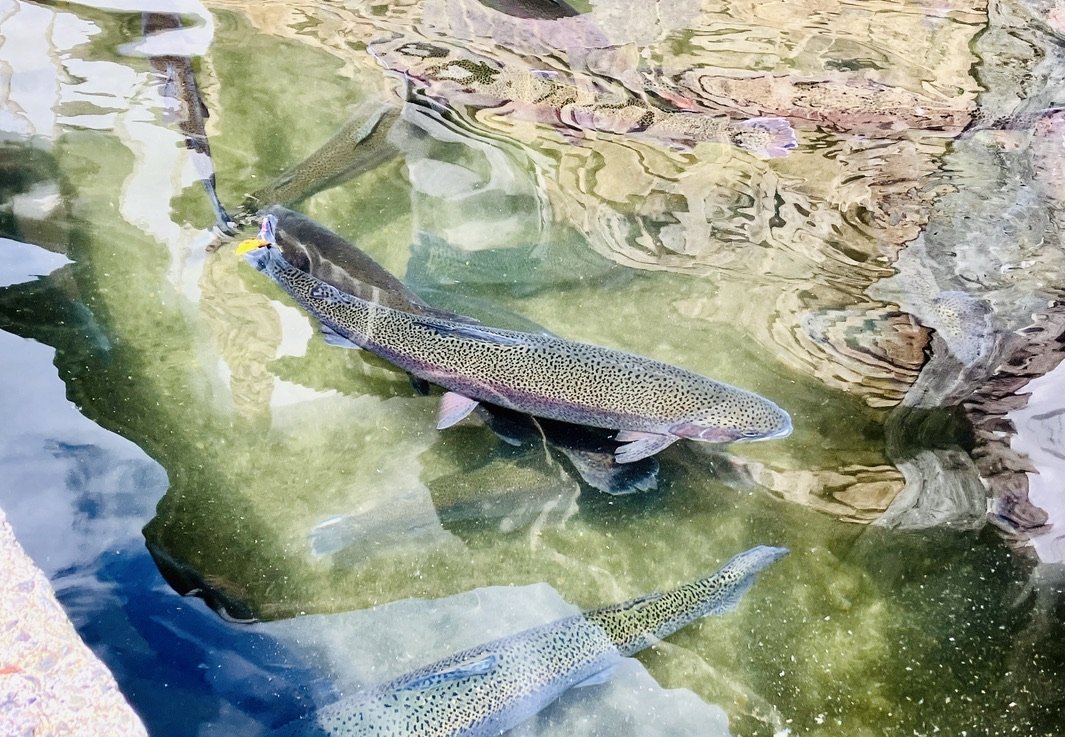
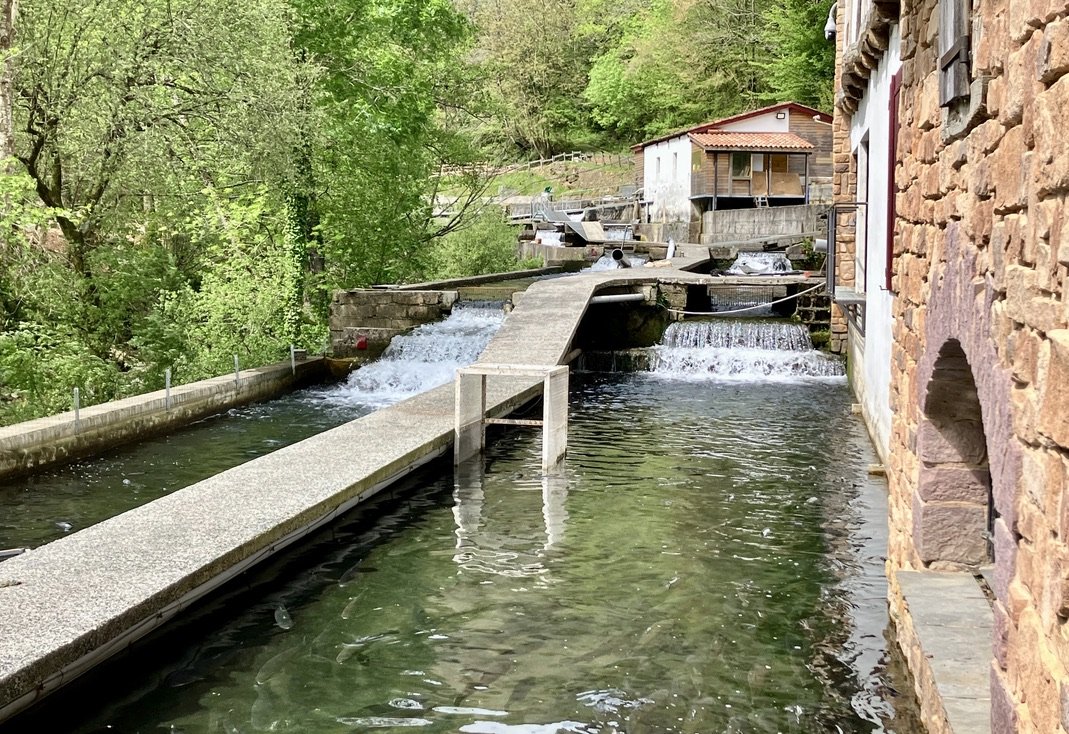
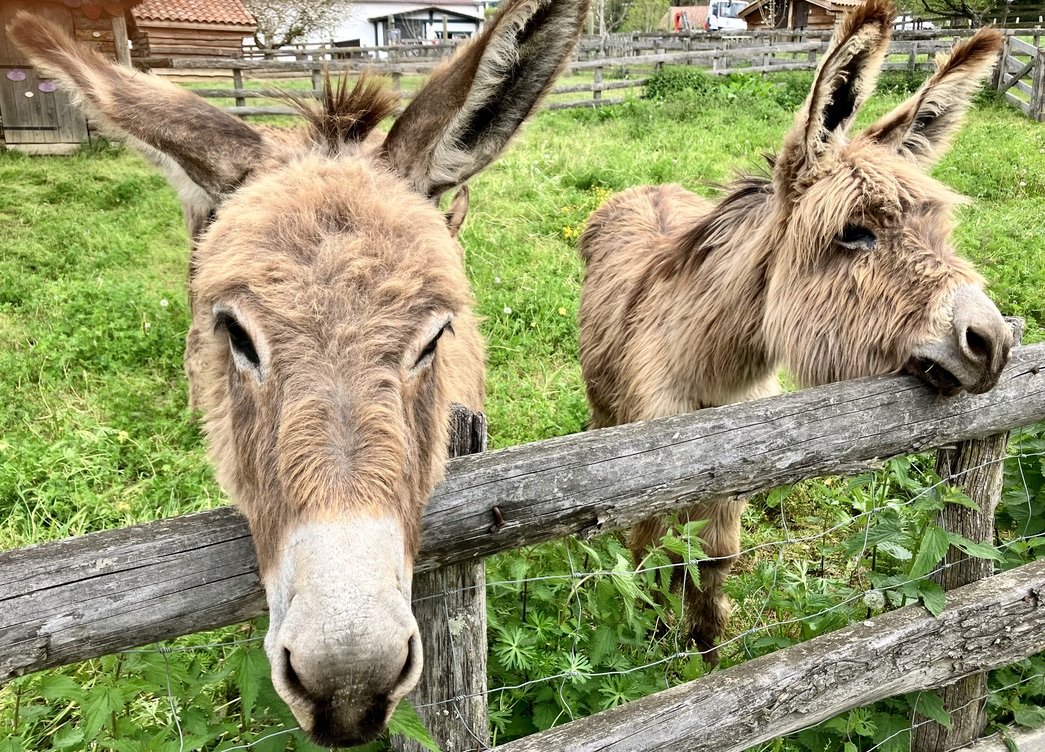
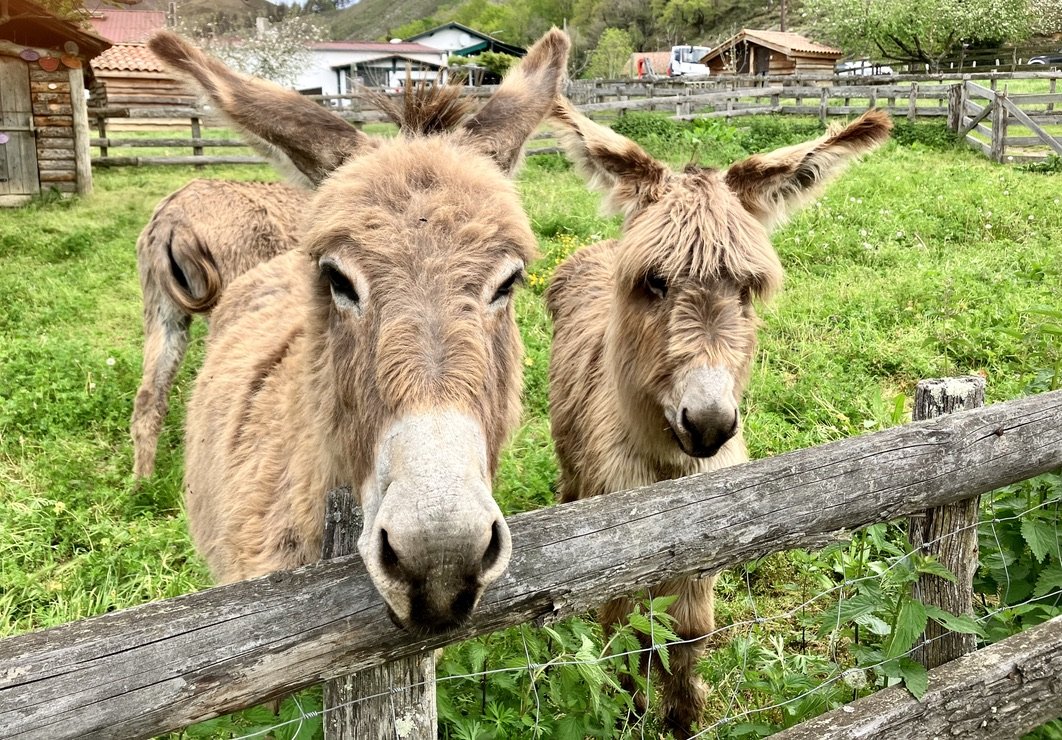
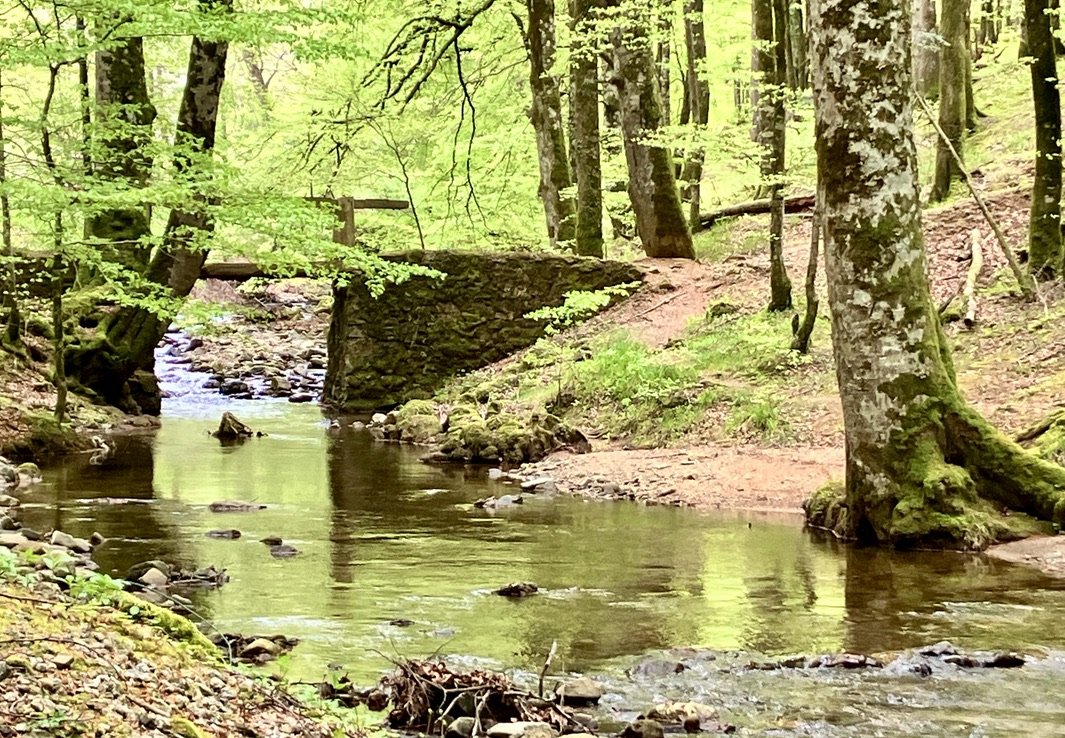
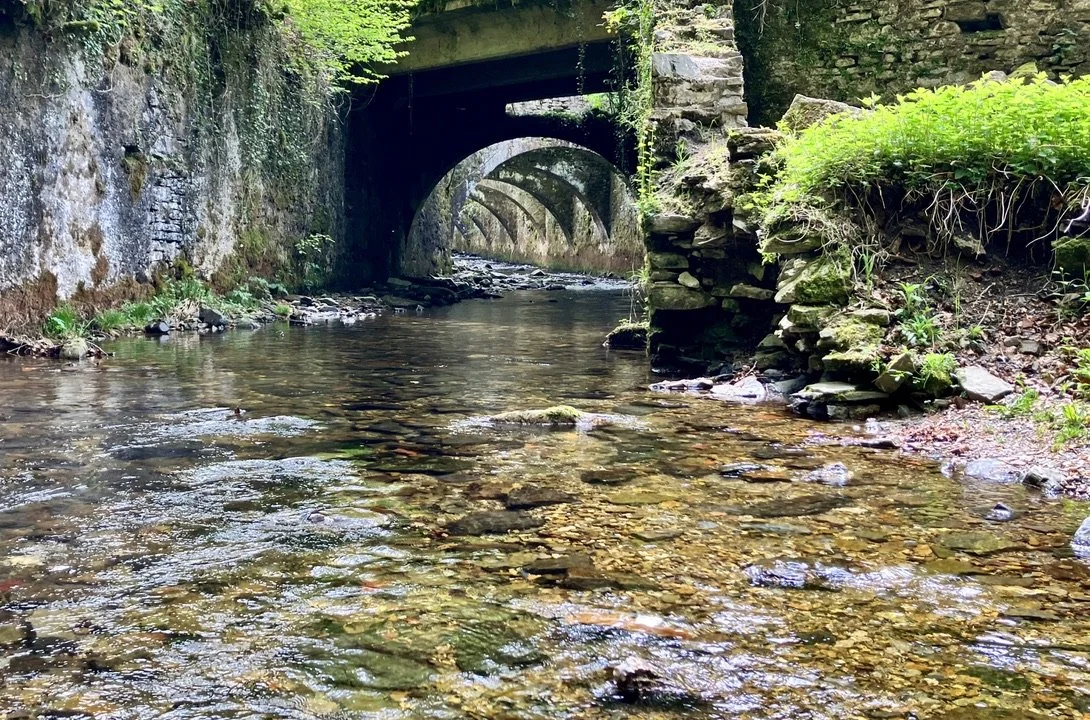
From here, the road lifts gently toward the Izpegi pass, threading its way between pastures and forests as we cross into the French Basque Country. In Baigorri, we pause to admire its beautiful church and walk along the river, where daily life still follows the cadence of water and season. The journey continues upward, onto lesser-traveled mountain tracks toward Banca, passing trout farms, grazing sheep, and free-range Basque native pigs—animals deeply tied to both landscape and tradition.
These are not isolated elements of the landscape, but part of a living system where ecology, economy and culture remain deeply interconnected.
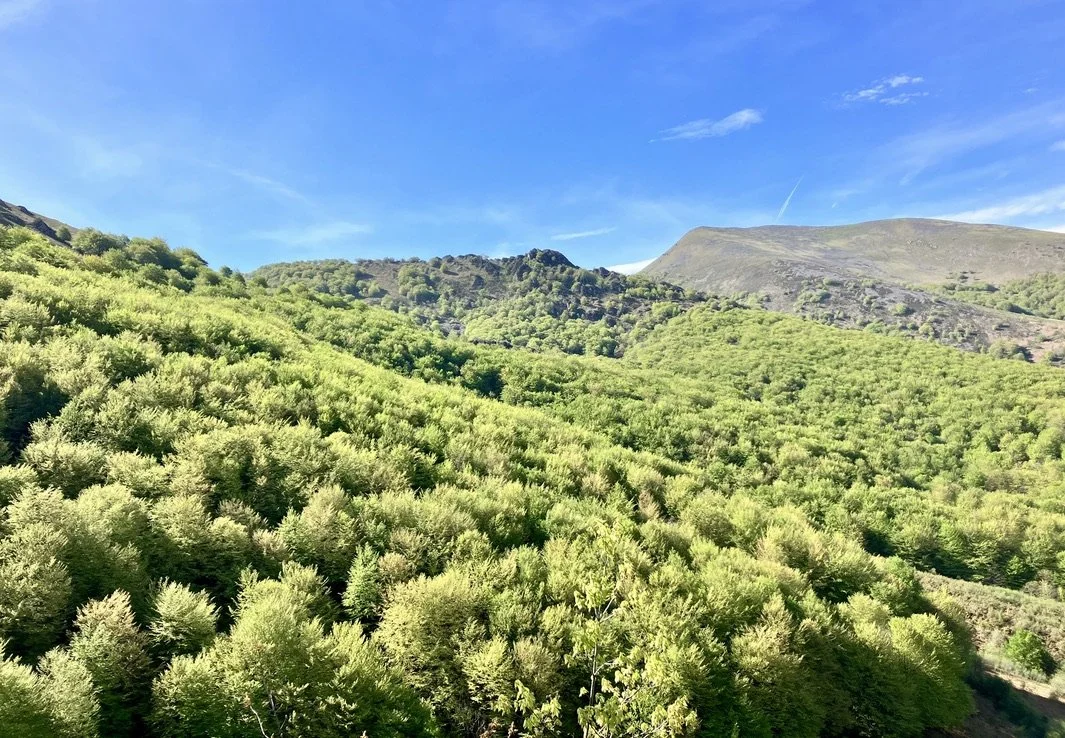
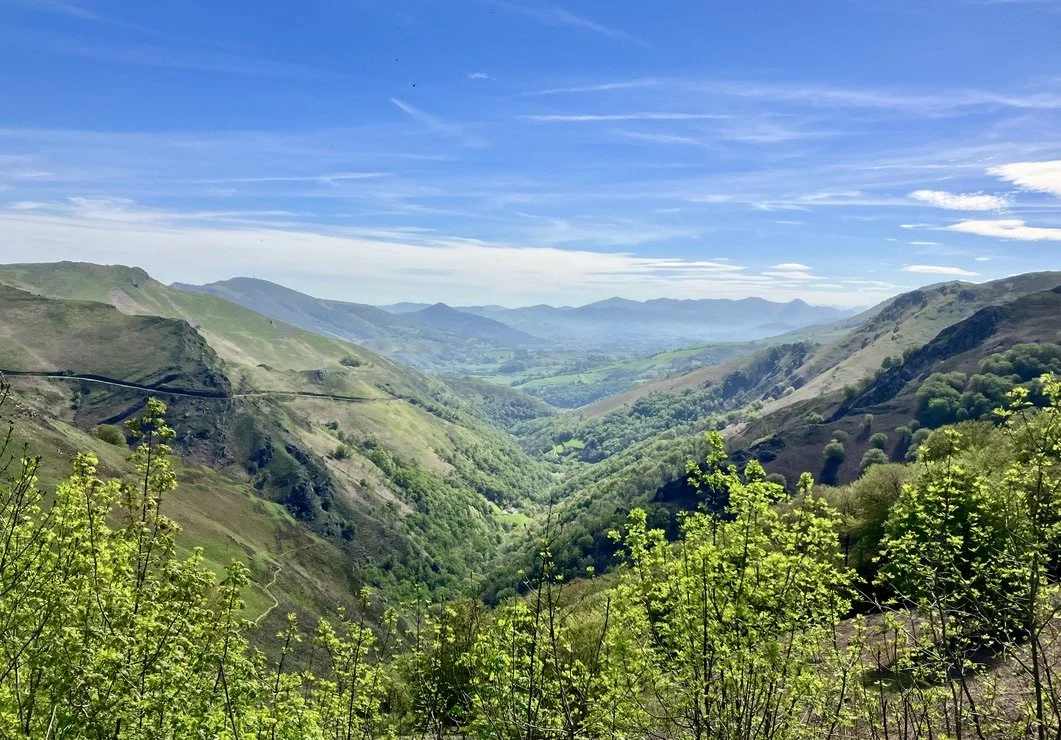
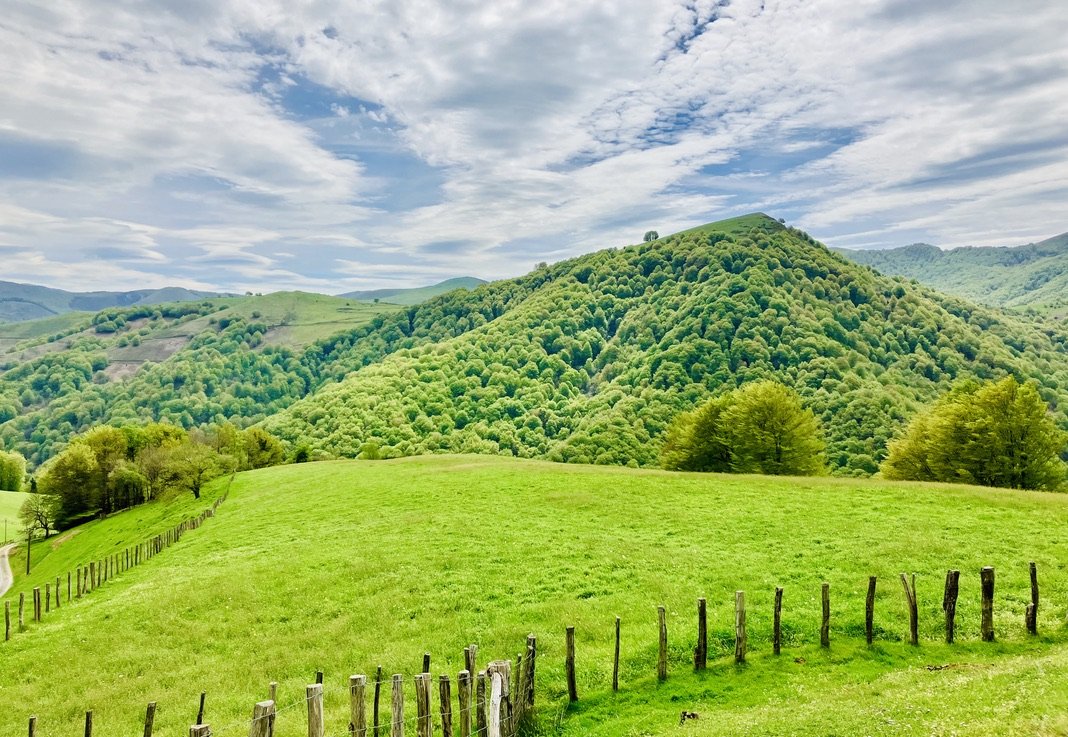
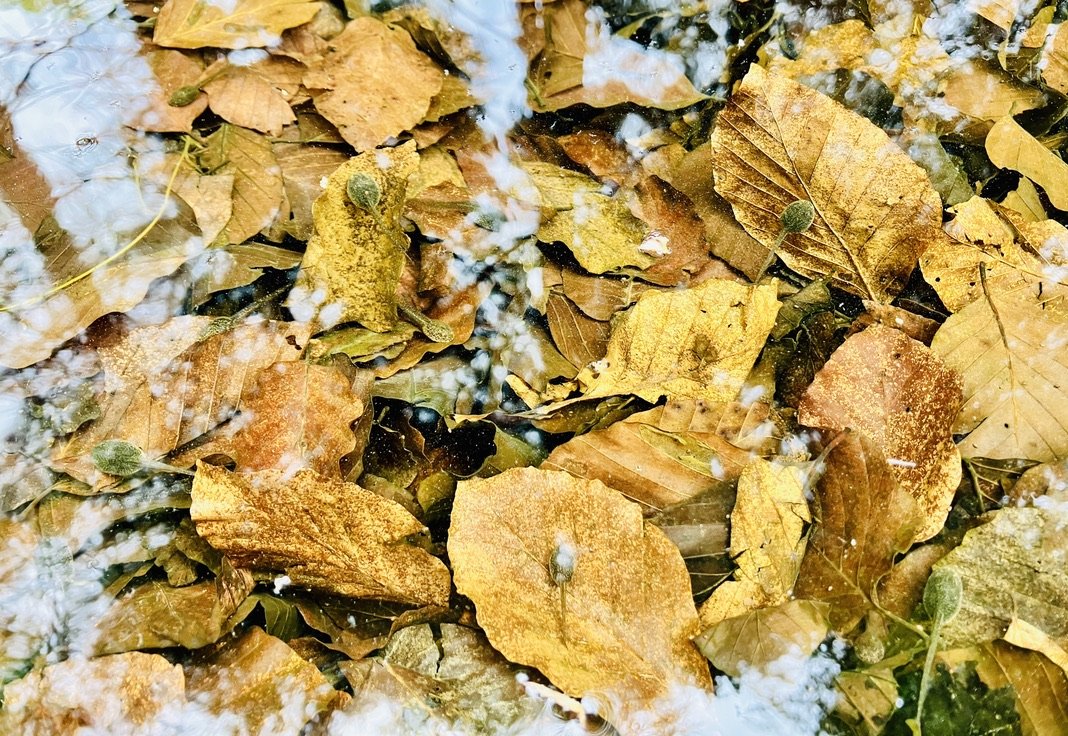
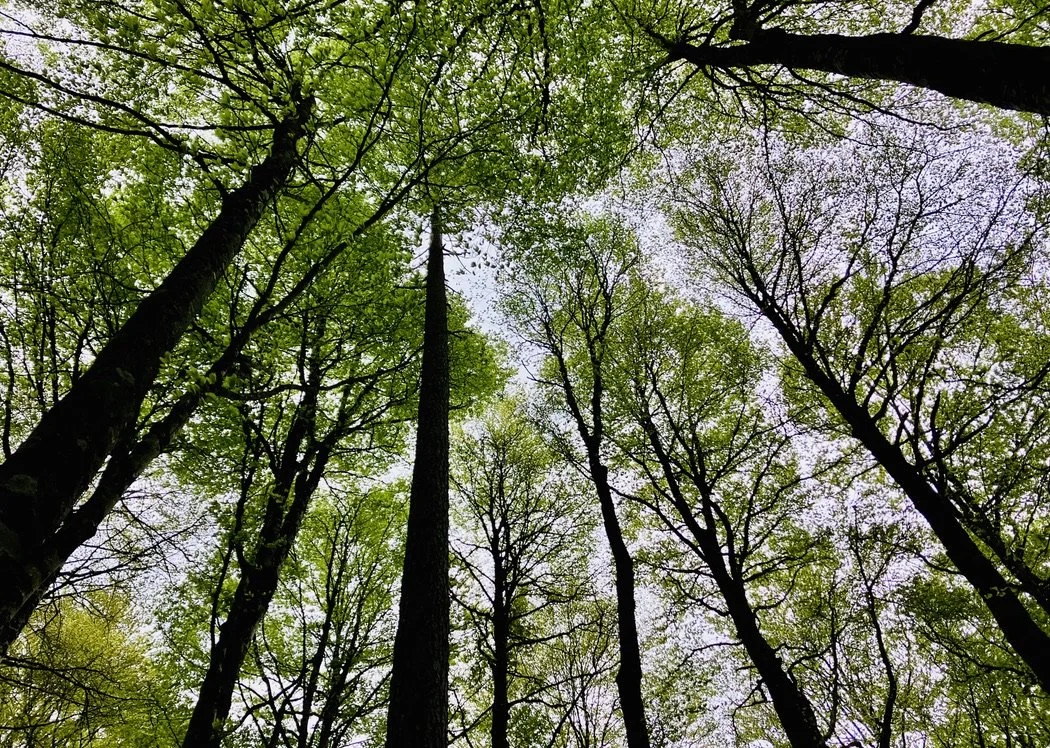
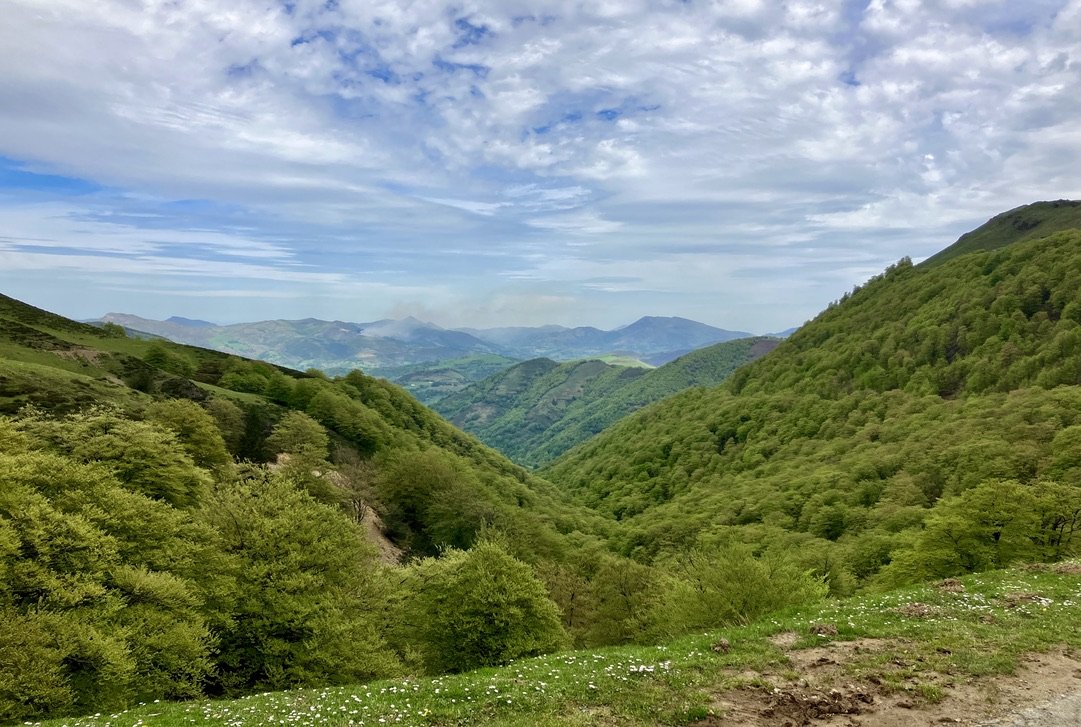
We then re-enter Spain through the vast beech forests of Quinto Real, a natural stronghold where borders feel secondary to terrain. The light changes as we skirt the Eugi reservoir and climb again toward the Artesiaga pass, with wide views opening over valleys shaped by centuries of pastoral life. Descending once more into Baztan, we arrive in Irurita for a relaxed lunch before returning.
This is not a route of monuments, but of continuity: mountain passes walked for centuries, animals raised with purpose, valleys that still make sense on their own terms.
Here, history is not narrated—it is lived through land, animals and the rhythms that still sustain them.
This is not a first encounter with the Basque Country.
-
€790 for 2 guests
€190 per additional guest
€140 per additional guest (10-17)
€35 per additional guest (under 10)
Group size: Intimate groups, up to 6 guests. Larger parties may be considered upon request.
Departures: Pricing and timing are based on departures from San Sebastián. Other departure points can be arranged upon request.
Each journey is carefully calibrated. Variations in group size or departure point are handled with the same attention.
-
Departure: 8:30 am
Duration: approx. 8 to 9 hours
-
· A fully curated private experience hosted in English
· A rural and cultural journey through mountain passes and pastoral landscapes
· A local dining experience integrated into the day
· Private transportation as part of the experience
· Seamless coordination throughout the journey
· Fuel, tolls and all applicable taxes
-
· Personal expenses and any arrangements not expressly outlined in the program.
-
· Some elements are delivered through carefully selected independent local partners